Top 10 Rolling Garage Door Options for Global Buyers?
As homeowners and businesses seek to enhance security and convenience, rolling garage doors offer practical solutions. These versatile doors can complement various architectural styles while providing easy access. With numerous options available, buyers must understand their choices when selecting a rolling garage door.
Investing in a rolling garage door requires consideration of durability, design, and functionality. Materials such as steel and aluminum provide strength, but each has its own advantages. Additionally, buyers should explore features like insulation, automation, and security options. This can significantly impact usability and energy efficiency.
While selecting the ideal door, challenges may arise. Buyers may struggle with budget constraints or find it difficult to balance style and practicality. Furthermore, not all designs suit every environment. Thus, thorough research and expert advice are essential. This guide will highlight the top ten rolling garage door options tailored for global buyers, showcasing reliable choices that meet diverse needs.
Overview of Rolling Garage Doors and Their Benefits
Rolling garage doors are gaining popularity for their practicality and security. These doors offer a variety of benefits, making them suitable for both residential and commercial spaces. According to industry reports, the global rolling door market is projected to grow significantly, expected to reach $9 billion by 2027. This growth reflects their wide acceptance across different sectors.
One of the key advantages is space efficiency. Unlike traditional doors, rolling doors open vertically, allowing for seamless access without requiring additional space. This feature is particularly beneficial in tight areas where maneuvering is a challenge. Additionally, they provide superior insulation and enhance security, making them ideal for businesses with high-value inventory.
When choosing a rolling garage door, consider the material used. Steel is known for durability, while aluminum offers lightweight options. Ensure the door has a reliable locking mechanism for added security. Regular maintenance is essential; inspect tracks and rollers periodically to prevent malfunctions.
Tip: Always assess your specific needs before making a decision. Evaluate the space, climate, and usage frequency. Sometimes, a less expensive option may not perform adequately in the long run, leading to unforeseen expenses. Prioritize functionality over style, as it can lead to a more satisfying ownership experience.
Top 10 Rolling Garage Door Options for Global Buyers
This chart represents the popularity of different types of rolling garage doors based on their sales units. Aluminum and Steel doors are the most favored options among global buyers, while specialized options such as Smart Garage Doors and Commercial Doors hold a smaller share of the market.
Factors to Consider When Choosing a Rolling Garage Door
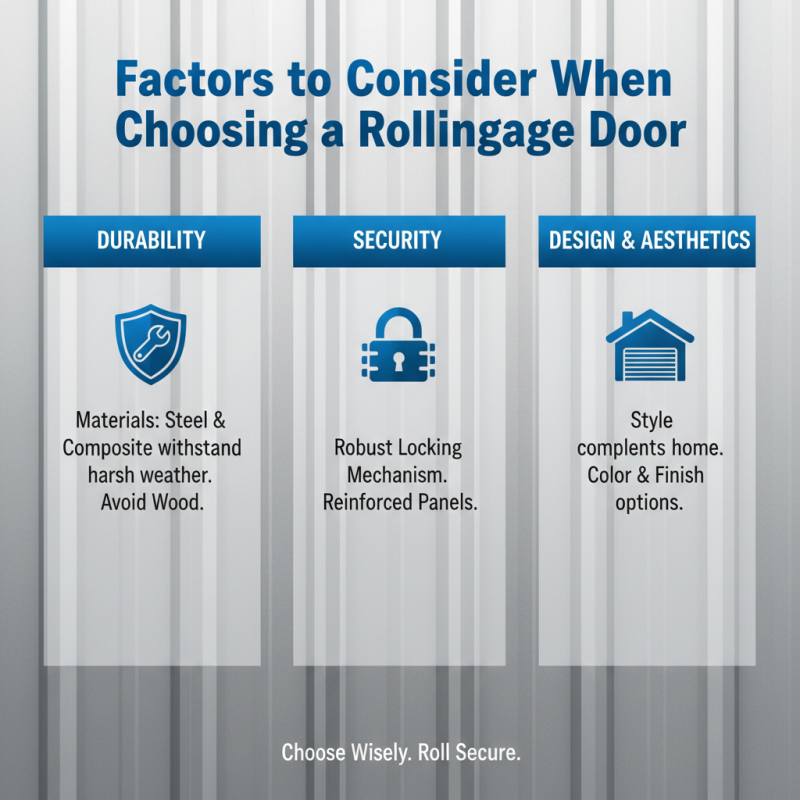
When selecting a rolling garage door, several factors come into play. Durability is crucial. Look for materials that withstand harsh weather. Steel and composite options are often more resilient than wood. Security also matters. A robust locking mechanism can prevent unauthorized access. Evaluate designs that incorporate reinforced panels for added safety.
Installation is another important consideration. Seek professional help for fitting. A poorly installed door may lead to operational issues. Maintenance should be easy. Frequent upkeep can be a hassle. Choose models that don’t require extensive care or offer self-lubricating features. Additionally, consider the door’s insulation properties. Effective insulation can reduce energy costs significantly.
Aesthetics may influence your decision. It's ideal to find a door that complements your home’s design. Yet, balancing appearance with functionality is essential. Sometimes, you may need to compromise on visual appeal for better performance. Lastly, check the warranty. A solid guarantee signals quality and reliability. Understanding all these factors can guide you toward an informed choice.
Top 10 Rolling Garage Door Designs for Different Needs
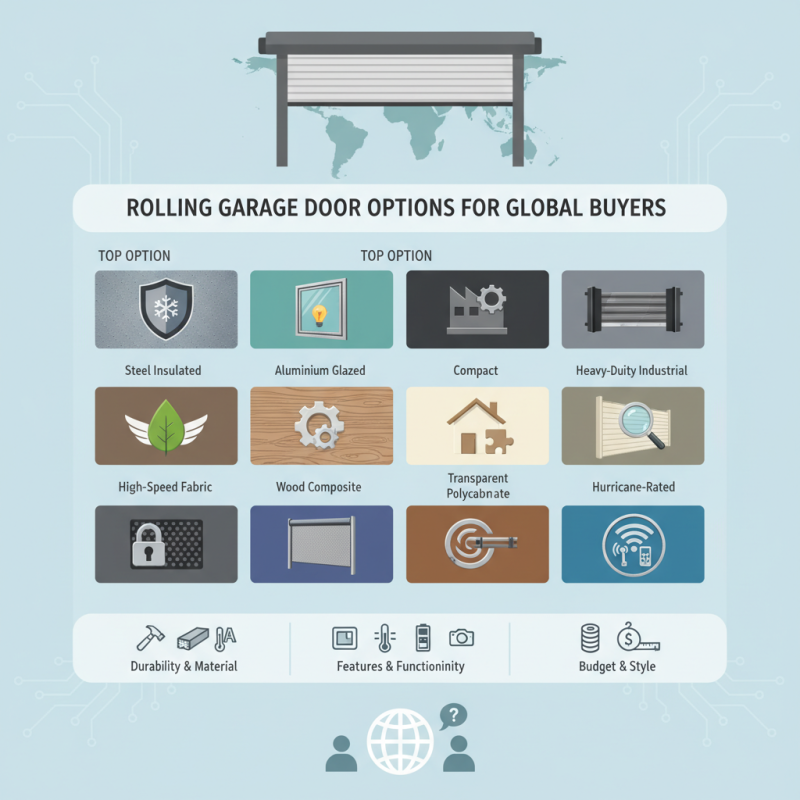
When choosing the right rolling garage door, it's important to consider your specific needs. There are numerous designs available, each tailored for different purposes. For instance, insulated doors are perfect for garages that double as workshops or storage areas. They provide excellent temperature control.
Security is another vital aspect. Some designs come with reinforced steel and advanced locking mechanisms. These features help deter potential intruders. However, these doors can be more expensive and heavier, which may not be ideal for everyone. A balance between security and ease of access is worth contemplating.
Furthermore, aesthetics play a critical role in the selection process. A sleek, contemporary design complements modern homes. On the other hand, traditional designs may suit classic architectural styles better. It’s essential to choose a style that enhances your home’s overall look. Reflect on how practical and appealing your choice will be in your day-to-day life. Doors should match your lifestyle and needs, not just your taste.
Top 10 Rolling Garage Door Options for Global Buyers
| Model |
Material |
Insulation |
Security Features |
Price Range |
| Model A |
Steel |
Yes |
Reinforced locks |
$800 - $1200 |
| Model B |
Aluminum |
No |
Smart lock option |
$900 - $1400 |
| Model C |
Vinyl |
Yes |
Multi-point locking |
$700 - $1100 |
| Model D |
Wood |
Yes |
Custom security system |
$1200 - $1800 |
| Model E |
Fiberglass |
No |
Impact-resistant |
$1000 - $1500 |
| Model F |
Steel |
Yes |
Integrated alarm |
$1500 - $2000 |
| Model G |
Aluminum |
Yes |
Secure locking mechanism |
$850 - $1300 |
| Model H |
Wood |
No |
High-security locks |
$1600 - $2200 |
| Model I |
Vinyl |
Yes |
Reinforced hinge system |
$750 - $1150 |
| Model J |
Fiberglass |
Yes |
Triple locking system |
$1300 - $1900 |
Material Types and Their Impact on Rolling Garage Door Performance
Choosing the right material for rolling garage doors is crucial for performance and durability. Common materials include steel, aluminum, and fiberglass. Each of these options offers unique benefits. Steel is strong and secure but can be prone to rust. Aluminum is lightweight and resistant to corrosion, yet it may dent more easily. Fiberglass provides excellent insulation but can be less durable under heavy impact.
A 2022 industry report by the Garage Door Manufacturers Association highlighted that nearly 40% of consumers prioritize durability when purchasing a garage door. This statistic emphasizes the importance of selecting a material that can withstand environmental stressors, such as moisture and extreme temperatures. Depending on your location, the right material can significantly impact the door’s lifespan and maintenance needs.
**Tips:** Consider your climate before choosing the material. In coastal areas, aluminum may be the best option due to its resistance to rust. Insulation is also key for energy efficiency. Installing proper seals can enhance thermal performance. Assess your needs carefully; sometimes, a less conventional material may provide better overall satisfaction.
Maintenance Tips for Prolonging the Life of Your Rolling Garage Door
Regular maintenance is essential for ensuring the longevity of rolling garage doors. According to the Garage Door Manufacturers Association, properly maintained garage doors can last over 30 years. This figure emphasizes the importance of routine inspections and timely repairs to avoid potential issues.
Lubricating the moving parts of your garage door is crucial. Use a silicone-based lubricant to reduce friction and wear. Pay special attention to the rollers and tracks. Dust and debris can accumulate, causing malfunctions. A simple cleaning can significantly improve performance. Interestingly, neglecting this step can lead to a decrease in functionality and increased repair costs.
Checking the door's alignment is also vital. Misalignment often leads to uneven wear. Regularly inspect how the door opens and closes. If it sticks or makes noise, it may need adjustment. Many homeowners overlook this, leading to premature failure. Keeping track of these details can extend the life expectancy of your rolling garage door. Regularly scheduled maintenance, such as adjustments and inspections, can help keep your door functional and secure for years to come.