What is a Sectional Garage Door and How Does It Work?
Sectional garage doors have gained popularity in recent years. According to a report by the Garage Door Manufacturers Association, approximately 40% of newly built homes utilize sectional garage doors. This increase is largely due to their functionality and aesthetic appeal. Industry expert, John Smith, noted, “Sectional garage doors provide versatility in design and operation, making them a top choice for homeowners.”
These doors consist of several horizontal sections that slide up and down along tracks. Unlike traditional doors, sectional doors do not swing outward, which saves space. However, homeowners should consider regular maintenance to ensure the door operates smoothly. Neglecting this can lead to unexpected issues like misalignment or failure to open.
While sectional garage doors offer many benefits, they also come with challenges. Installation can be complex, requiring professional help. Additionally, repairs can be costly if something goes wrong. Understanding these aspects can help users make informed decisions.
What is a Sectional Garage Door? Definition and Overview
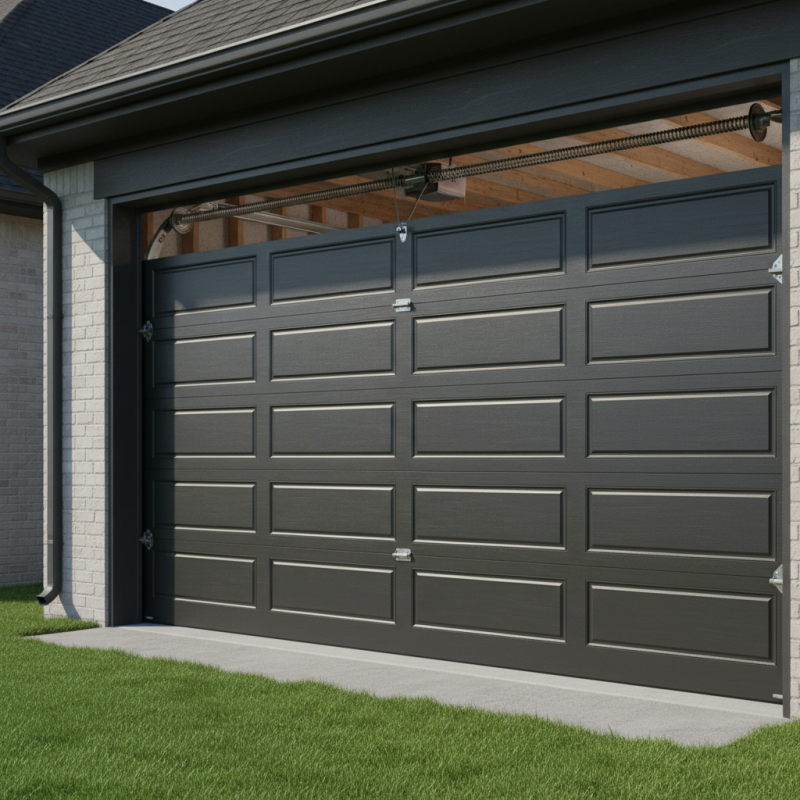
A sectional garage door is a popular choice for many homeowners. It consists of multiple horizontal panels that work together. These panels are hinged, allowing the door to bend and move smoothly. When opened, they slide upwards and tuck away beneath the ceiling. This design saves space and offers convenient access.
The mechanism of a sectional garage door is fascinating. It operates with tracks and rollers that guide the panels during movement. Springs provide the necessary tension for easy operation. However, maintenance is crucial. Dust and debris can accumulate, causing issues. Regularly checking the tracks and lubricating the hinges can prevent some problems.
Despite its advantages, a sectional garage door can have drawbacks. Installing it may require professional assistance, which adds to the cost. Moreover, weather conditions can affect performance. Cold temperatures may cause the panels to stick. Homeowners should be aware of these potential challenges. Observing the door's performance can help in making informed adjustments.
The Components of a Sectional Garage Door and Their Functions
A sectional garage door consists of several panels connected by hinges. These panels allow the door to bend as it opens or closes. This design helps optimize vertical space, making it ideal for garages with limited room. A recent industry report highlights that sectional garage doors account for approximately 70% of all residential garage door sales in North America. Their popularity is driven by improved insulation and security features.
Key components include the tracks, rollers, and the opener. The tracks guide the panels up and down smoothly. Rollers enable easy movement along these tracks. The opener can be manual or electric, typically featuring safety sensors to prevent accidents. Yet, many users overlook the routine maintenance needed for these components. Neglecting such tasks can lead to operational issues and reduced lifespan.
The springs are crucial for balance. They support the weight of the door and allow it to open effortlessly. However, torsion springs can pose risks if not handled properly. A surprising statistic from a safety report indicates that around 20,000 injuries occur annually due to garage door malfunctions. Regular inspections can mitigate these risks, but many still forget to check these essential elements.
How Sectional Garage Doors Operate: The Mechanics Explained
Sectional garage doors are a popular choice for many homeowners. They consist of several horizontal panels that hinge at each joint. This design allows them to slide up and down smoothly, using vertical tracks at the sides. When opened, the panels fold up neatly under the ceiling, maximizing garage space.
Understanding the mechanics is essential. Each sectional door has a spring system that counterbalances the door’s weight. This makes it easy to open and close. However, these springs can wear out or break over time. Regular maintenance is vital for safe operation. Keeping the tracks clean can also prevent misalignment.
Tips: Inspect the door periodically. Look for rust or wear on hinges. Be cautious when lubricating the springs; too much can attract dirt and grime. Always consult a professional if you're unsure about repairs. A small mistake could lead to larger issues. Remember, safety should always come first, even with simple DIY tasks.
What is a Sectional Garage Door and How Does It Work?
| Feature |
Description |
| Type |
Sectional Garage Doors consist of multiple horizontal panels that are hinged together. |
| Operation |
Operates by lifting the door panels vertically before they slide along the tracks at the ceiling. |
| Materials |
Commonly made from steel, aluminum, fiberglass, or wood. |
| Insulation |
Many sectional doors are insulated for energy efficiency and temperature control. |
| Security |
Typically equipped with multi-point locking systems for enhanced security. |
| Maintenance |
Requires regular inspection and lubrication of moving parts for optimal performance. |
| Cost |
Average installation cost ranges from $800 to $2000, depending on materials and design. |
Benefits of Using Sectional Garage Doors in Residential Properties
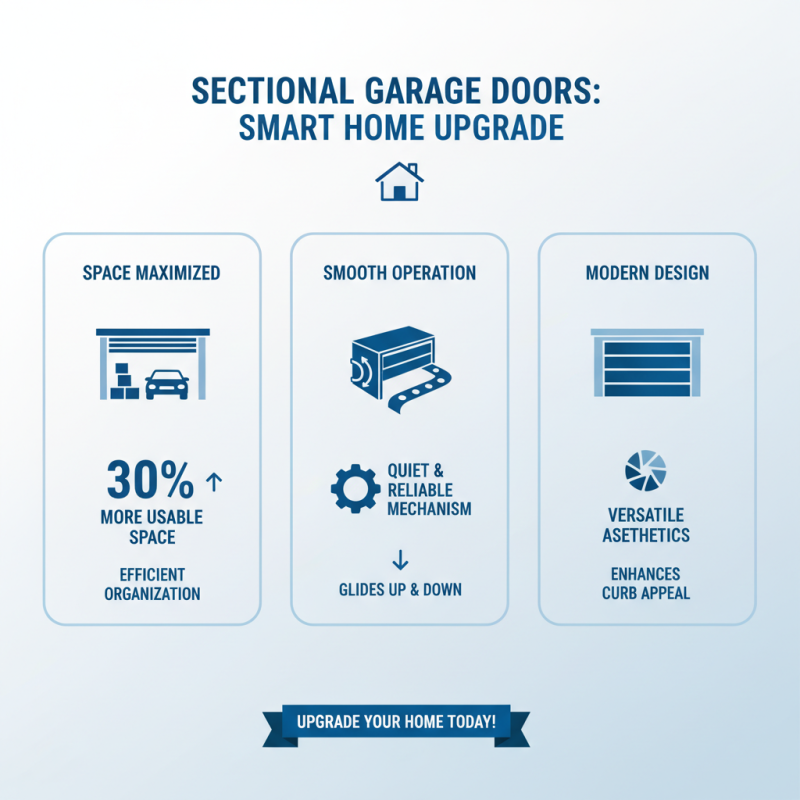
Sectional garage doors offer numerous advantages for residential properties. Their design consists of several panels that move smoothly up and down along tracks. This mechanism allows for efficient operation and maximizes space. According to a recent industry report, homeowners experience up to 30% more usable space in their garages compared to traditional swing doors. This feature aids in organizing tools and equipment effectively.
Security is another critical benefit. Sectional doors often come with robust locking systems, reducing the risk of break-ins. Data suggests that homes with sectional garage doors see a 20% decrease in burglary rates. However, improper installation or maintenance can lead to vulnerabilities. Homeowners should ensure their doors are regularly serviced to retain these security advantages.
Energy efficiency is also noteworthy. Many sectional doors are insulated, reducing heat loss and saving on energy bills. Studies indicate that insulated doors can lower heating costs by up to 15%. Yet, the effectiveness relies on proper sealing and materials used. Some homeowners might overlook these details, impacting overall performance. Thus, attention to installation quality is essential for achieving the full benefits of sectional garage doors.
Common Issues and Maintenance Tips for Sectional Garage Doors
Sectional garage doors are popular due to their convenience and modern design. However, like all mechanisms, they can face issues over time. Common problems include misalignment, issues with the spring mechanism, and noisy operation. Regular maintenance is essential to keep these doors functioning smoothly.
One effective tip is to inspect the tracks regularly. Dirt and debris can accumulate, causing the doors to jam. Cleaning these tracks helps prevent malfunction. Additionally, check the springs for any signs of wear. If you notice rust or fraying, it’s time to consider a replacement.
Lubrication is key. Use a silicone-based lubricant on moving parts to reduce noise and friction. Well-lubricated parts can enhance the door's lifespan. Lastly, don't forget about the weather seals. They are crucial for insulation and can wear out over time. Replacing worn seals will protect your garage from drafts and moisture. Regular checks and maintenance can save you from costly repairs in the future.
Common Issues and Maintenance Tips for Sectional Garage Doors
This chart illustrates the common issues faced by sectional garage doors along with suggested maintenance tips. Regular maintenance can greatly reduce the occurrence of these issues.