10 Essential Tips for Choosing the Right Overhead Garage Door
Choosing the right overhead garage door is crucial for your home's overall look and functionality. With so many options available, making an informed choice can feel overwhelming. This decision impacts not only your garage's security but also its energy efficiency.
A well-selected overhead garage door enhances curb appeal and can even boost property value. Options vary widely, from traditional styles to modern designs. Each style has its advantages and potential drawbacks. For instance, wood doors offer aesthetic warmth but may require more maintenance over time.
Consider aspects like insulation, material, and durability when evaluating choices. Not all overhead garage doors are created equal; some may not stand up to harsh weather conditions. Seek guidance from professionals, but also trust your instincts. Your satisfaction will depend on aligning your needs with the right product.
Understanding Garage Door Types: Sectional vs. Roll-Up vs. Tilt-Up
When choosing an overhead garage door, understanding the types available is crucial. The three main types are sectional, roll-up, and tilt-up. Each has distinct features and benefits. Sectional doors are popular for their insulation and security. They consist of multiple panels that lift upward, saving space. Roll-up doors operate similarly but wind around a drum. They’re ideal for tight spaces and commercial use. Tilt-up doors are simple, swinging open like a single piece. They generally require more clearance and are less insulated.
Consider what suits your needs best. Sectional doors offer more design options and greater energy efficiency. Roll-up doors provide durability, perfect for garages that see heavy use. Tilt-up doors might appeal if you prefer a vintage look and a more straightforward mechanism. Reflect on your garage's dimensions and your budget.
While all types have advantages, they also have limitations. Sectional doors can be more complex to install. Roll-up doors might be pricier due to their design. Tilt-up doors may require modifications for better insulation. Assess these factors carefully to avoid regrets later. It’s essential to think long-term about reliability and maintenance. Choosing the right garage door is a significant investment.
Evaluating Material Options: Steel, Wood, Fiberglass, and Vinyl Doors
Choosing the right material for your garage door is crucial. Each option has unique pros and cons. Steel doors are durable and require little maintenance. They resist dents and offer good insulation. However, they may rust if not treated properly. Consider the climate where you live. Rust can be a major issue in humid areas.
Wood doors provide a classic aesthetic. They can be customized in different styles and stains. But wood requires regular maintenance. It can warp or rot over time. Making a choice here isn't always easy. Think about how much upkeep you want to deal with.
Fiberglass and vinyl doors are lightweight and low-maintenance. They resist dents and corrosion, making them ideal for coastal areas. However, they may not provide the same energy efficiency as wood or steel. A careful evaluation of your needs and environment can help guide your decision-making process. It's important to reflect on the balance between beauty and function for your garage door.
Material Comparison for Overhead Garage Doors
Assessing Insulation Factors: R-Value Importance for Energy Efficiency
When choosing an overhead garage door, insulation should be a key consideration. Insulation is often measured by R-value, which indicates how effective a material is at preventing heat loss. Higher R-values mean better insulation. For example, a door with an R-value of 16 offers significantly better thermal resistance than one with an R-value of 6. As reported by the Department of Energy, properly insulated garage doors can save homeowners up to 20% on heating costs.
It’s essential to assess your local climate when considering R-values. In colder regions, higher R-values will help maintain a stable indoor temperature. A garage that isn’t properly insulated may lead to higher energy bills and discomfort. Pay attention to the door’s construction material as well. Steel doors often provide better insulation compared to wood.
To make an informed decision, evaluate insulation options carefully. Look for ENERGY STAR rated doors. These doors meet strict energy efficiency guidelines set by the EPA. Another factor is to check the sealants along the edges of the garage door. Quality seals can significantly improve overall energy performance. Remember, investing time in these details can yield long-term savings and comfort.
Analyzing Safety Features: Auto-Reverse Technology and Window Design
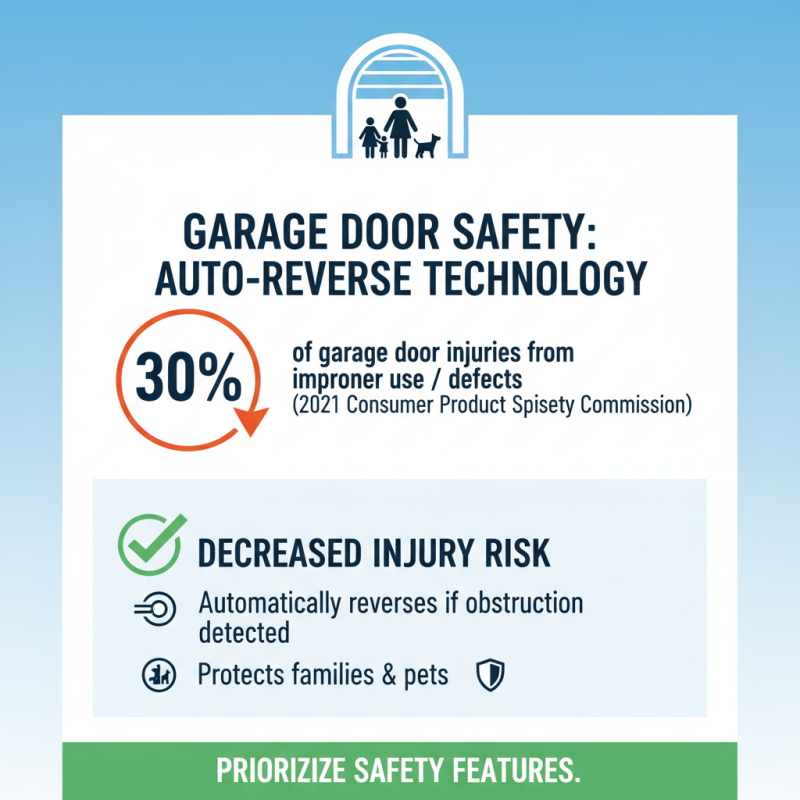
When selecting an overhead garage door, safety features are paramount. Auto-reverse technology is a crucial aspect to consider. Research shows that these systems decrease the chances of injury by automatically reversing the door's motion if an obstruction is detected. A 2021 report from the Consumer Product Safety Commission noted that almost 30% of garage door injuries result from improper use or defects. Thus, prioritizing this feature can protect family members and pets.
Window design also contributes to safety and security. Many homeowners appreciate natural light in their garages. However, windows can pose risks if not designed with sturdy materials. Tempered glass is often recommended as it reduces the likelihood of shattering. Homeowners should think about the placement and visibility of windows. If windows are accessible from the outside, consider whether they can be easily broken.
When choosing your garage door, consider these tips: Assess the door's construction materials for durability. Evaluate the manufacturer's quality assurance process. Lastly, ensure comprehensive warranties are available. Each step you take contributes to safer home environments. Adopting a diligent approach will make a difference in how well your garage door functions and its ability to protect your home.
Considering Aesthetics and Curb Appeal: Style Trends in Garage Doors
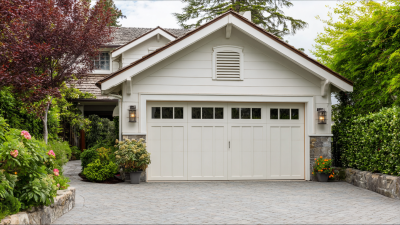
When it comes to choosing a garage door, aesthetics play a crucial role. The first thing people notice about your home is its exterior, including the garage door. A well-designed door can enhance curb appeal significantly. According to a report by the National Association of Realtors, upgrading your garage door can increase your home’s value by about 94%. This impressive return on investment highlights the importance of selecting a style that complements your home.
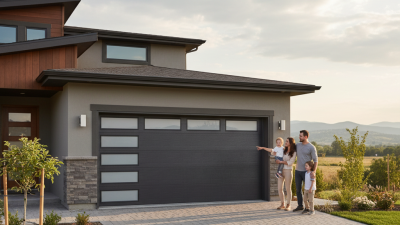
Trends show that modern designs with clean lines and bold colors are gaining popularity. For instance, oversized doors with window panels add sophistication and light. However, homeowners should remain cautious. It's essential to choose a style that not only looks good but also fits within the neighborhood's aesthetics. This ensures a cohesive look. Additionally, a door that clashes with your home's architecture can detract from its overall appeal, creating a jarring effect.
Durability and style must coexist in your final choice. A door that looks stunning on the showroom floor may not provide long-term value. Ensure that the materials used can withstand local weather conditions. Survey data indicates that steel doors can save significant maintenance costs over time compared to wood doors. Make sure to weigh the pros and cons of each option, focusing on longevity and design. It's about finding the right balance between beauty and functionality for a truly appealing garage door.